They say innovation happens in labs, but for me, it started with a lukewarm cup of coffee and a lot of empty chairs.
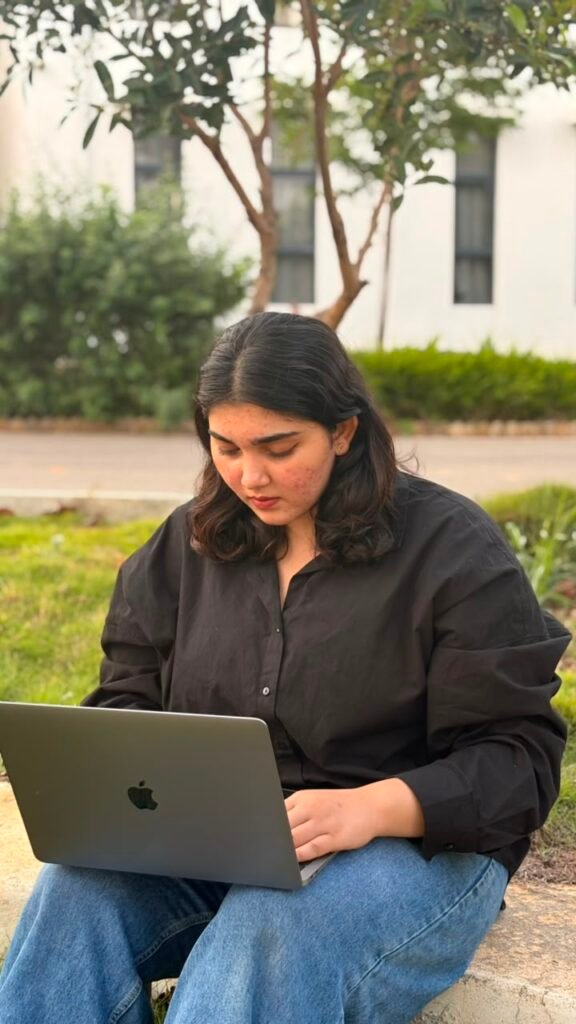
I am a fifth-semester BCA student at Primus Institutions, but before I am a coder, I am an observer. I spend a lot of time at Oye Kafe in Shobha City, Thanisandra. One afternoon, while waiting for my order, I looked around. We are talking about a massive residential hub here, nearly 4,000 units, filled with young IT professionals and a dedicated “Work-From-Home” crowd. By all logic, this place should have been buzzing. Instead, I saw vacant tables and a quiet kitchen.
I always carry a notepad. I started scribbling. Why was this happening? I realized the café was serving traditional food, but it was missing the pulse of its audience. There was no way to share a “special of the day,” no way to push a festive menu, and no strategy to quickly liquidate perishable items before they went to waste.
In a world where Quick Commerce apps are growing by the second, this café was struggling to be heard. But I realized they had one magic wand the big delivery apps did not: They were already inside the gates. They could be faster, fresher, and more personal than anyone else.
The Confidential Pitch
I did not want to just offer a casual suggestion; I wanted to offer a total transformation. Spending the next few days leveraging AI tools, I structured my research and built a professional presentation, ultimately turning my observations into a comprehensive 8-page document.
I will admit, I am a little protective—maybe even a bit egoistic—about my work. When I finished the report, I went straight to the café, used their own photostat machine to print it, and placed it in a crisp file. After slapping a bright “CONFIDENTIAL” sticker on the front, I handed it to the receptionist.
“Please,” I told him, “give this directly to the owner. Do not let anyone else see it.”
I walked out feeling a mix of adrenaline and doubt. Honestly? I did not think he would ever call. Assuming it would get buried in a pile of papers or tossed in the trash, I figured I had made my move and kept my expectations at zero.
The Call
The very next morning, my phone buzzed. It was a man named Rashad, the owner of the café, and he sounded incredibly impressed. He wanted to talk. More importantly, he didn’t just want to hear my ideas—he wanted to see them in action.
That one “what if” moment turned into a whirlwind of requirements analysis, UI design, and late-night coding sessions. I was not just doing a college project anymore; I was building a bridge for a real business.
From Concept to Trial
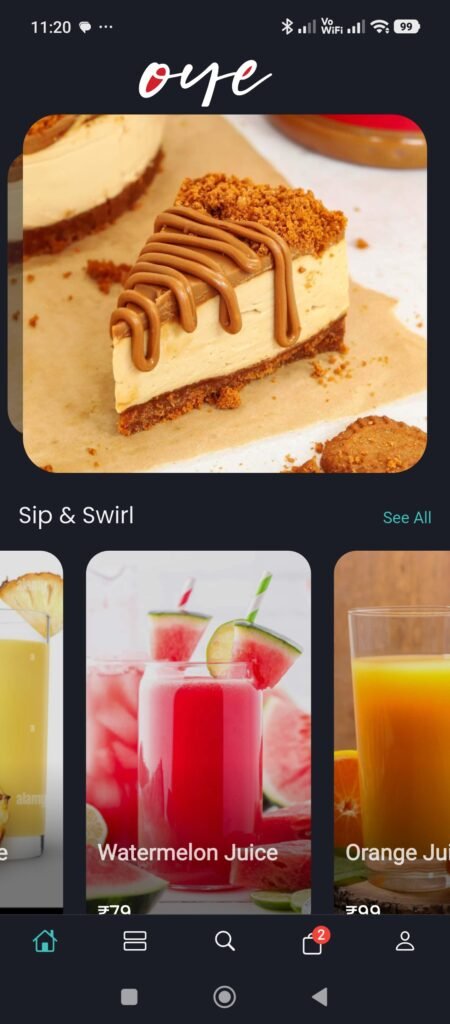
Today, as I write this, I have officially submitted my trial-ready mobile application for Oye Kafe. I chose Flutter for the development because of how quickly it allowed me to bring my vision to life.
This journey taught me that coding is the easy part. The real challenge, and the real fun, is in the “why.” It is about looking at a business, seeing where they are bleeding efficiency, and using technology to stop the wound. It is about understanding that a student’s perspective is not a limitation; it is a superpower.
At Primus Institutions, we are taught to solve problems, not just pass exams. But this? This was personal. For the residents of Shobha City, ordering from their favorite local spot just got a whole lot faster. And for me, this is just the first line of code in what I hope is a long career of turning “what if” into “here it is.”
If you want to know more about the technical stack, the growth hack strategies I used, or how I put that presentation together, leave your questions in the comments!